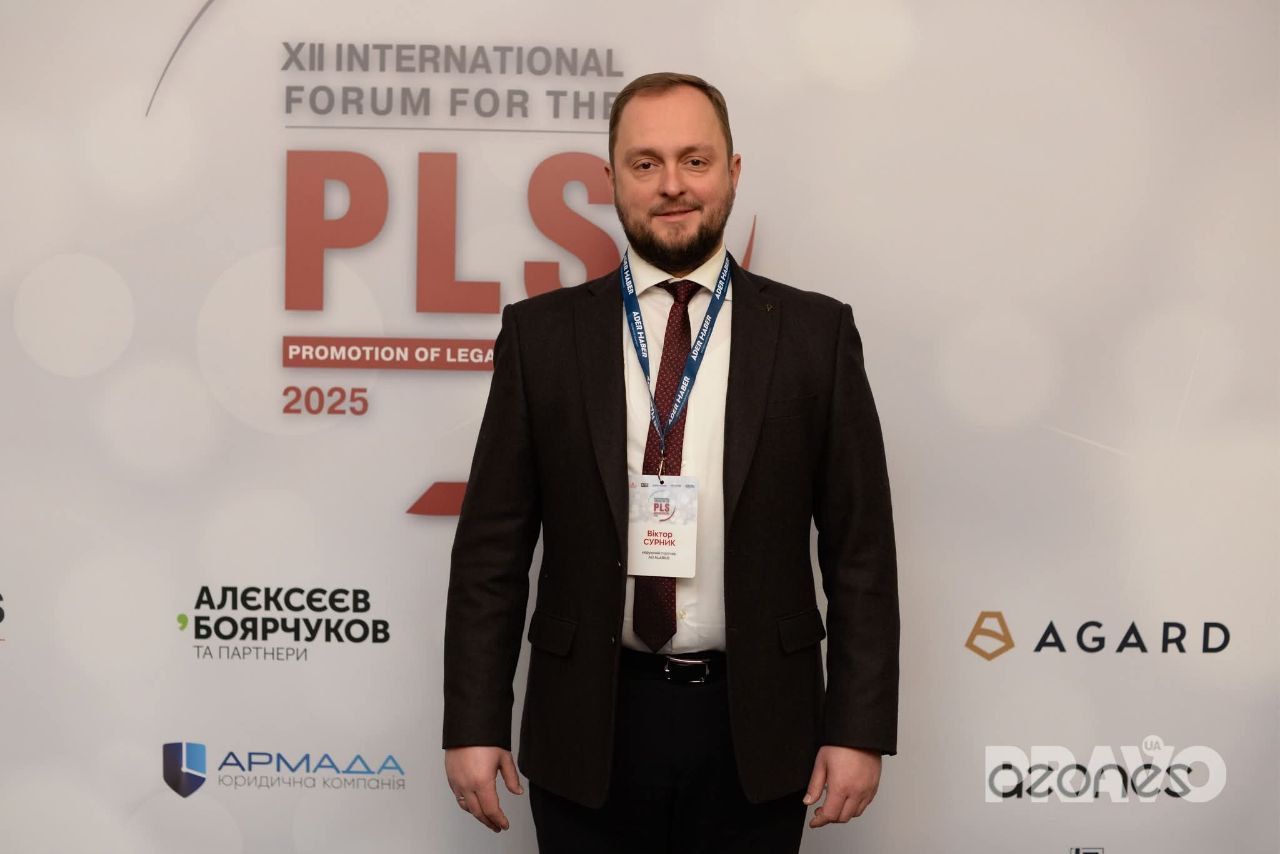
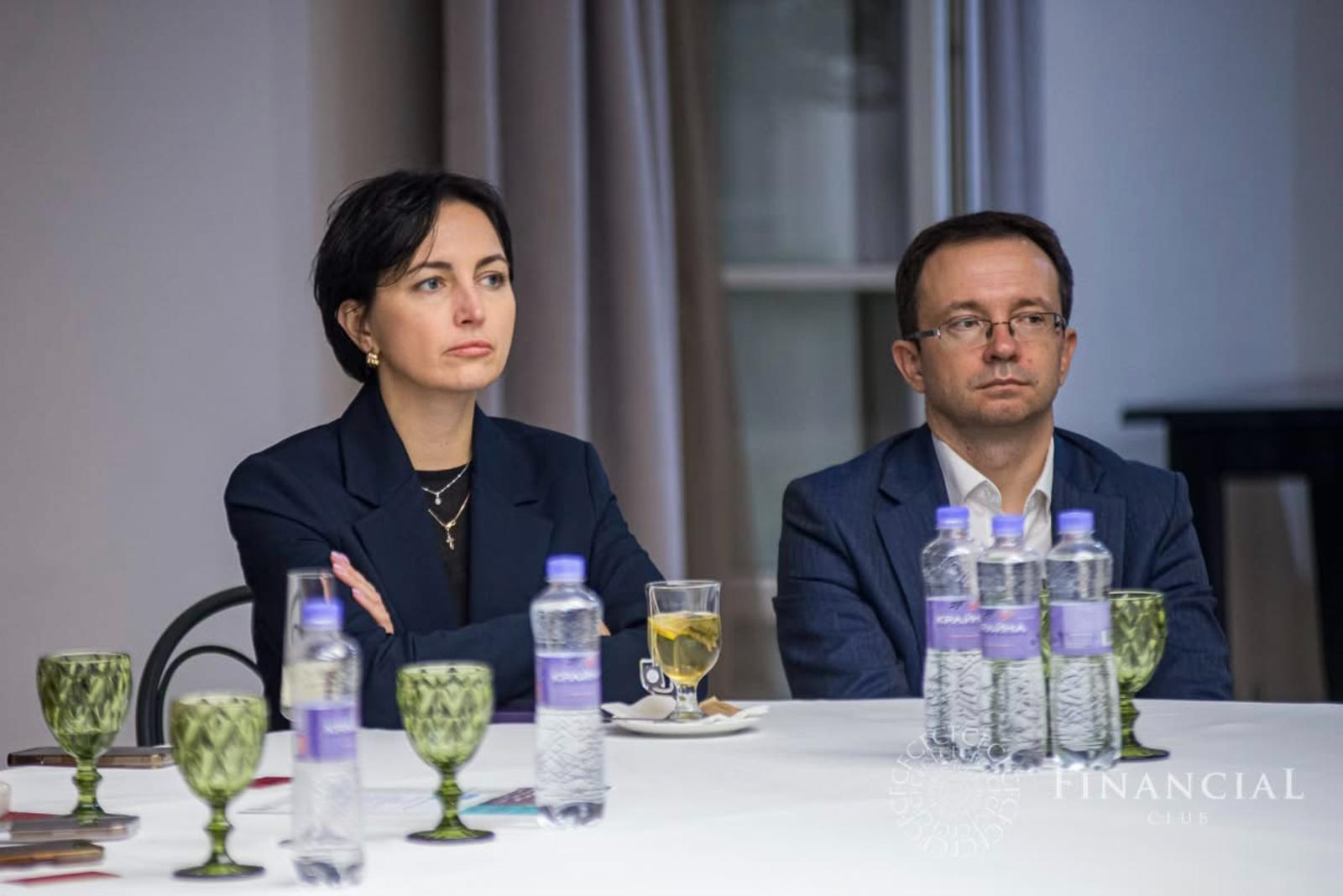
On May 14, 2026, Managing Partner of Alarius AO, Doctor of Philosophy in Law Viktor Surnik spoke at the III International Scientific and Practical Conference “Public Power in the Conditions of Martial Law: Challenges, Solutions, European Vector”. The event, held at the Institute of Law of Taras Shevchenko National University of Kyiv, was dedicated to the 15th anniversary of the Department of Administrative Law and Process and brought together leading experts in the field of public administration and justice.
In his report “Judicial Administration during the War: Ukraine's Experience and European Integration Standards of Good Governance” Viktor Surnyk focused on the critical issue of preserving and reforming the institutional structure of the judiciary. The speaker stressed that in the conditions of martial law, the judicial system is the material embodiment of the rule of law, without which statehood loses its meaning. The central theme of the speech was an acute discussion around initiatives to liquidate the State Judicial Administration (SSA) of Ukraine and transfer its functions to other bodies.
Analyzing the experience of recent years, Viktor Surnyk noted that the DSA has proven its capability in supercritical conditions, ensuring the relocation of ships, protection of archives and restoration of damaged infrastructure. According to the expert, the elimination of DSA right now would be a step back from European standards. “My thesis is clear: the liquidation of the State Judicial Administration of Ukraine in the conditions of martial law is the dismantling of the infrastructure of justice exactly when it is most needed. And this is not just an organizational mistake — this is a regression in the negotiation process with the EU,” he stressed.
Particular emphasis was placed on Ukraine's international obligations. According to the recommendations of the Venice Commission and GRECO, the judicial administration should be institutionally separated from the executive. Victor Surnyk cited examples of successful models of judicial governance in France, the Netherlands and Poland, where strengthening independent administrative bodies is a pan-European trend. He noted that transferring the administration of the courts to the structures of the Ministry of Justice would directly contradict the principle of separation of powers, since “whoever controls financing, buildings and salaries has real levers of influence over the system.”
Justifying the impossibility of liquidating the body, Viktor Surnyk highlighted the risks of loss of institutional memory and suspension of international technical assistance projects from USAID and EU programs. According to the managing partner of Alarius AO, the existing claims to the transparency of the work of the DSA should encourage a qualitative reform, not the destruction of the institution. Using an apt metaphor, he observed: “A sick person needs treatment, not destruction. An institution in need of modernization needs auditing and digital transformation, not liquidation.”
As a result of the report, Victor Surnyk proposed a strategic roadmap that provides for the legislative delimitation of functions between the DSA and the High Council of Justice, the strengthening of parliamentary control and the integration of the DSA into the post-war reconstruction plan as a coordinator for the restoration of the court network. Victor took an active part in the discussion of the issues discussed at the conference and exchanged his findings in the circle of experts.He summarized that a strong and independent judicial administration is the backbone of the system, without which justice will remain only a declaration. The staff of Alarius congratulates colleagues from the Department of Administrative Law and Process on the anniversary and continues to work on the development of the professional legal environment in Ukraine.
Other news
More news







.jpg)
.jpg)
.jpg)





.jpg)







.jpg)


Our Recognitions
.svg)


.svg)
.svg)
.svg)


.svg)
.svg)
Partners
.svg)
.svg)

.svg)
.svg)

.svg)


.svg)
.svg)
.svg)

