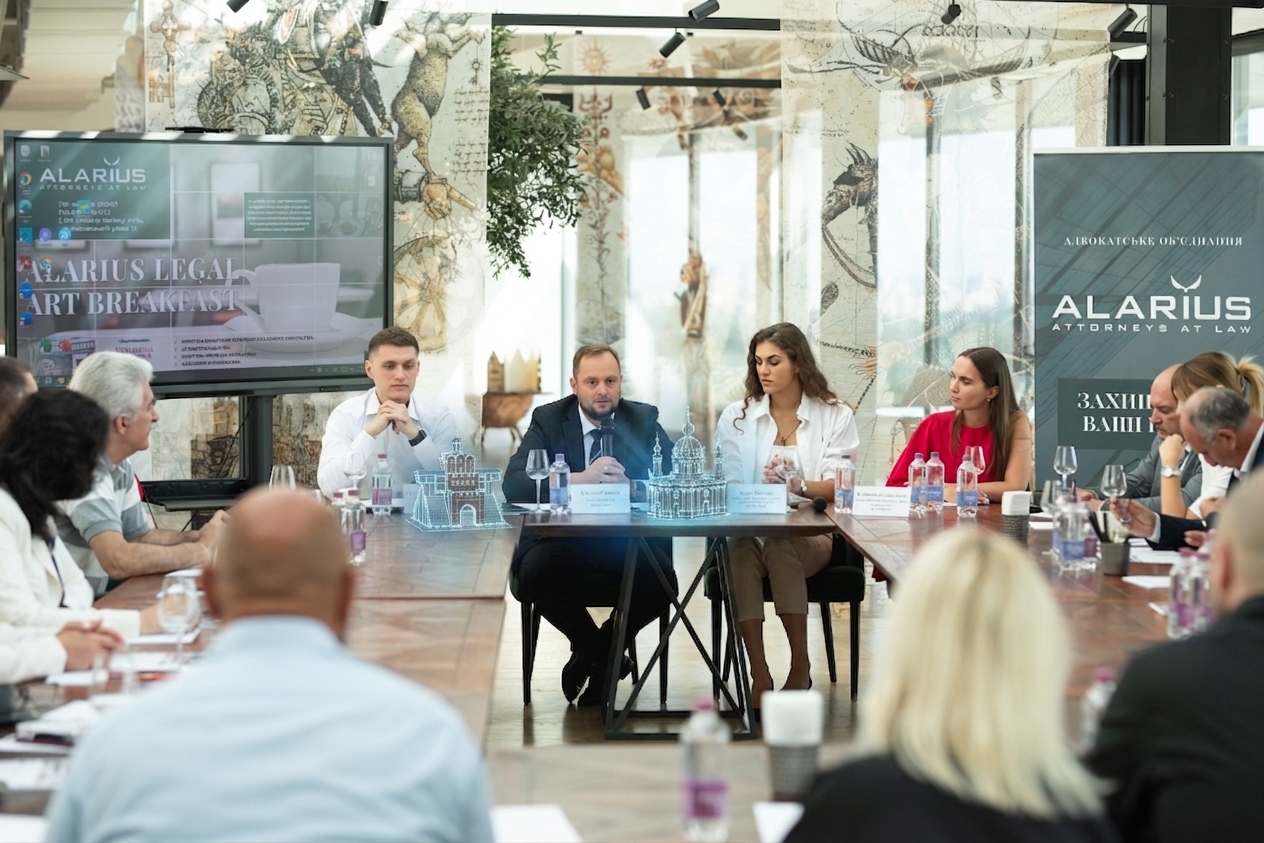
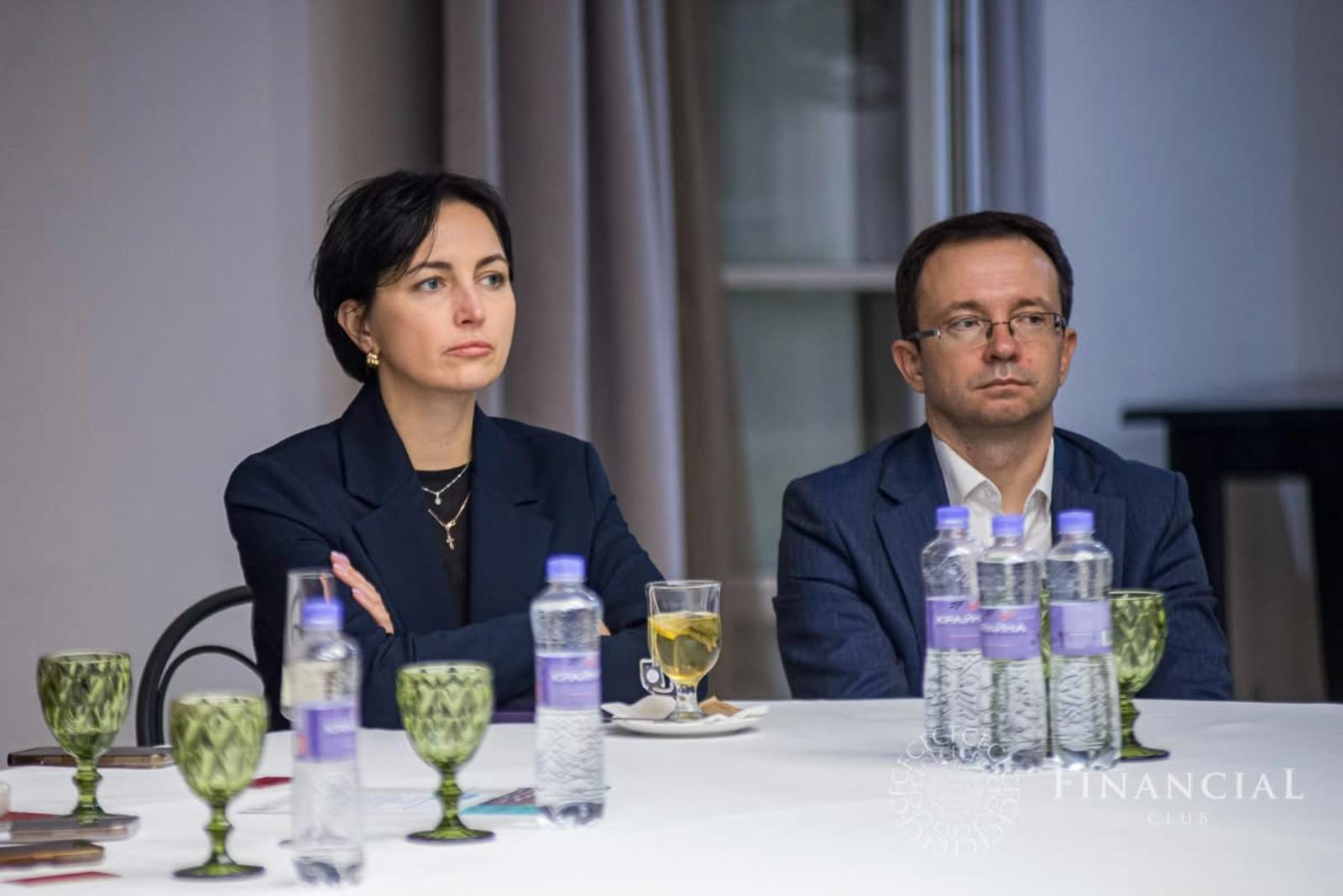
On October 30, 2026, the Ukrainian Bar Association (UBA) held a roundtable in Kyiv titled "The Limits of Legality for Psychological Techniques Used by Law Enforcement Agencies." The event was held in a hybrid format, bringing together participants both in person and online. The ALARIUS Law Firm served as a partner for this professional event.
The core issue of the discussion was that a significant portion of practical work in criminal proceedings goes beyond the literal meaning of the provisions of the Criminal Code and the Criminal Procedure Code of Ukraine. Investigators and operational officers often employ tactical and psychological techniques that are not explicitly provided for by procedural law. The task for the professional community was to define a clear boundary: where permissible investigative tactics end and procedural violations or abuses begin.
The event was unique due to its composition: representatives of the defense, the prosecution, and the judiciary gathered at one table. The event was moderated by Olena Karnaukh-Holodniak, Managing Partner at Etorum Law Firm.
Report and Position of the ALARIUS Law Firm Speaker
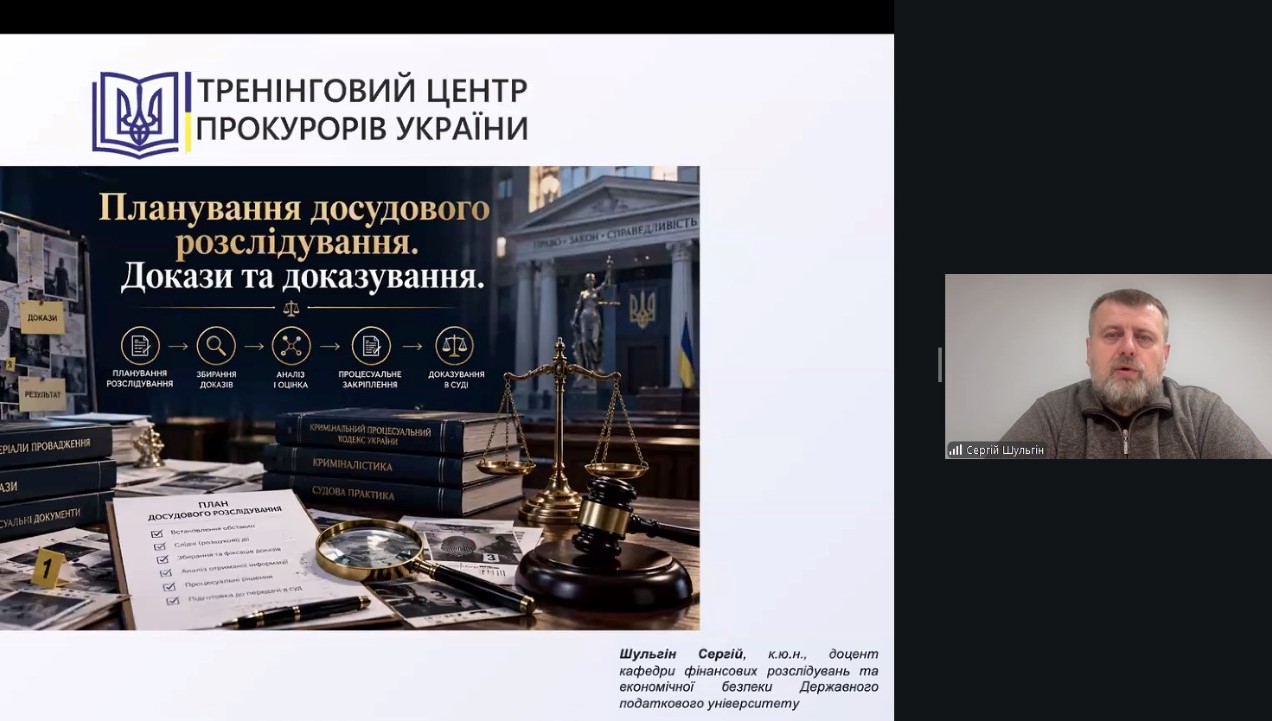
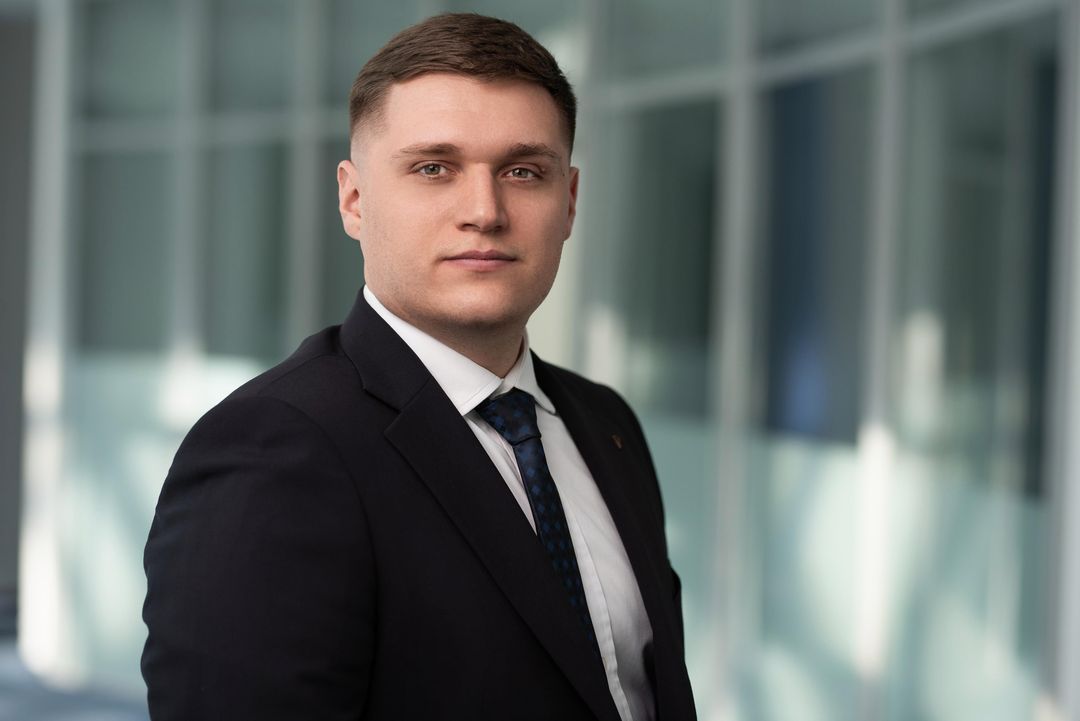
Representing the ALARIUS Law Firm at the event was Serhii Shulhin, a lawyer at the firm and a Candidate of Juridical Sciences, who served as a prosecutor at the Office of the Prosecutor General from 2014 to 2026.
Drawing on his extensive experience in the prosecutor's office, Serhii Shulhin emphasized that citing the "interests of the investigation" or the goal of solving a crime does not, under any circumstances, justify legal violations. A noble goal and non-compliance with the law cannot be reconciled.
In his report, the speaker categorized the psychological techniques used by law enforcement into two main groups:
1. Procedural techniques (subverting the essence of investigative actions)
This refers to using procedural tools for purposes other than their intended use in order to obtain information outside of the interrogation procedure:
· "Off-the-record conversation": An operational officer conducting a supposedly informal chat with an individual while covert audio or video surveillance is in progress.
· "Document review": Formally clarifying the content of documents with the participation of an individual who has previously officially exercised their right to refuse to testify under Article 63 of the Constitution of Ukraine.
· "Investigative experiment": Conducting an action that does not actually recreate the circumstances of the event, but instead serves as a covert way to obtain testimony from an individual.
· Provocation (incitement) to commit a crime: One of the most common distorted methods of "documenting" offenses.
2. Non-procedural techniques (media pressure and opinion shaping)
Serhii Shulhin paid special attention to the public communications of law enforcement agencies. Publishing photographs of detainees, selective audio and video clips from covert investigative (search) actions, and displaying "carpets of cash" laid out on the floor have nothing to do with criminal procedural evidence.
Such demonstrative actions are aimed solely at creating a presumption of guilt in the public eye before a verdict is reached and exerting indirect pressure on a judge's inner conviction when choosing preventive measures or considering motions.
ALARIUS Law Firm Expertise
A deep understanding of the internal algorithms of the law enforcement system allows the ALARIUS team to effectively identify hidden procedural traps, document manipulations in a timely manner, and build an effective strategy to protect clients from any form of extra-legal pressure.
The ALARIUS Law Firm expresses its gratitude to the Ukrainian Bar Association, moderator Olena Karnaukh-Holodniak, and all participants for an open, productive, and professional discussion.
You can watch the full video recording of the roundtable meeting at the link: youtube.com/watch?v=Hh9E3RARoAo
Other news
More news
















Our Recognitions


Partners


